Develop your craft.
Feedback on songs, voice, instrumental performance, and recording.
ARTIST DEVELOPMENT
Artistic guidance, accessible music technology, and learning built around your goals.
We prioritize low-income musicians and singers and artists with disabilities, including those facing geographic isolation or discrimination.
Share your musicInitial artist inquiries open
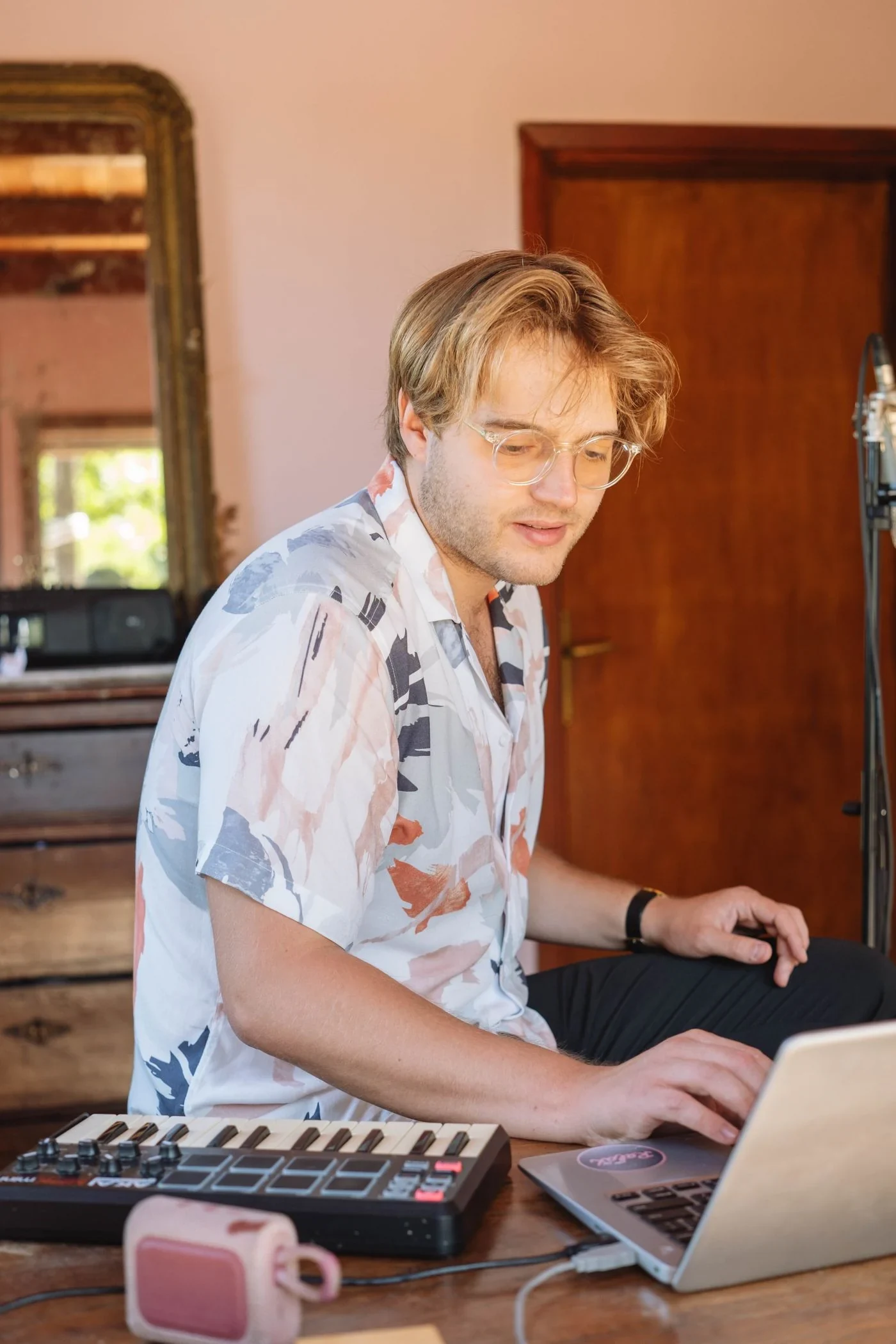
THREE PARTS OF THE PLANNED EXPERIENCE
Feedback on songs, voice, instrumental performance, and recording.
Realistic goals and routines that fit your life, energy, and responsibilities.
Recording and accessible music tools, setup, and technical learning matched to your needs.
ACCESSIBLE MUSIC TECHNOLOGY & LEARNING
A melody you hum. A movement you choose. Tools and learning that could help turn an idea into a piece of music.
Start with an expressive way of making music that works for you.
Explore adapted controllers or software, with setup and instruction.
Use the tools to shape your own recording or performance project.
Possible approaches include voice-to-instrument software, optical or eye-gaze tracking, gesture control, and accessible recording tools. Choices would be made with the artist, based on suitability, learning needs, support, and funding.
Explore the possibilities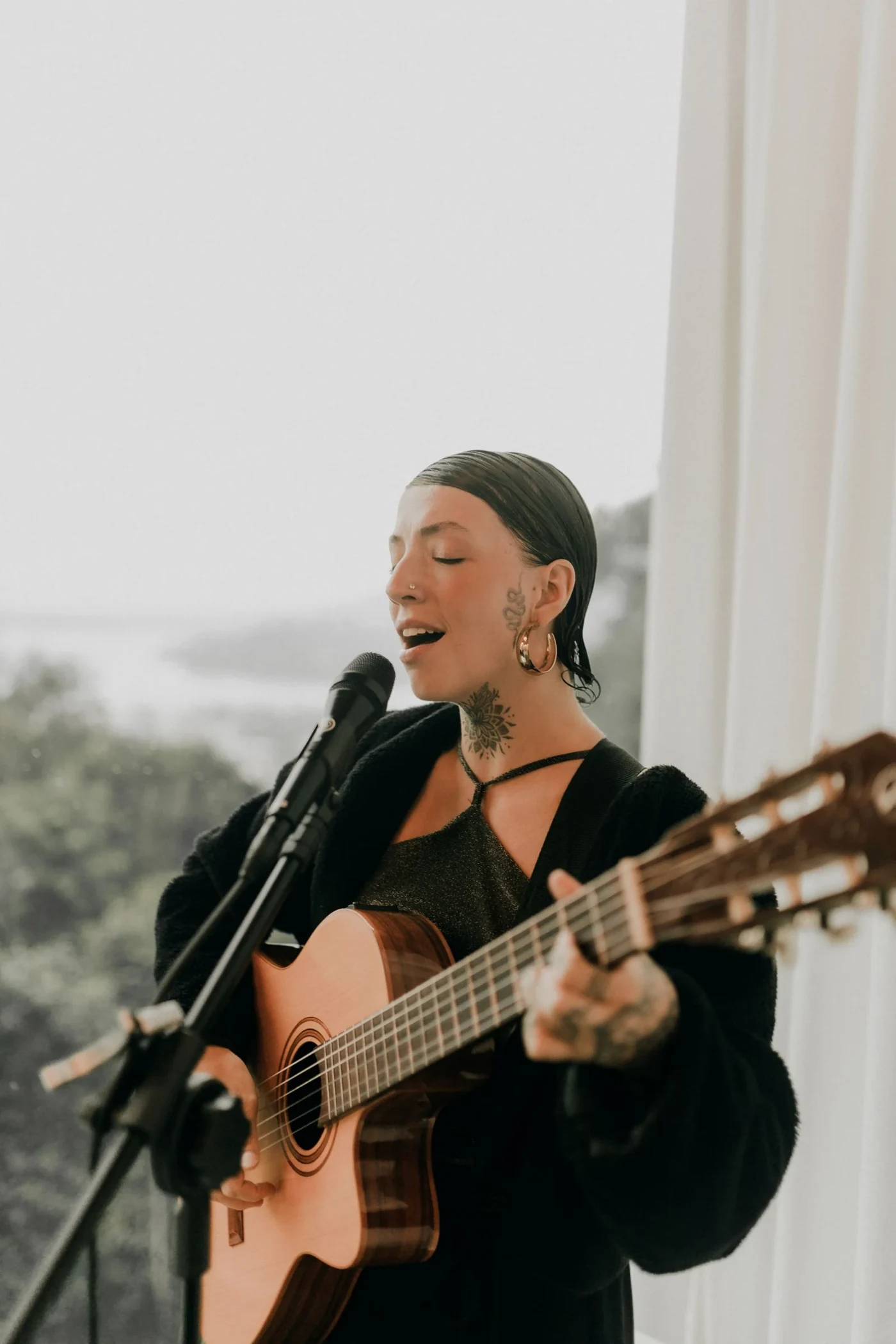
A MEANINGFUL CREATIVE PROJECT
A single. A performance recording. A small portfolio. We would agree a project around your ambitions and the available support.
We plan an optional online showcase for ready, consenting artists. Publicity, introductions, audience growth, and commercial outcomes are not guaranteed.
Equipment and other resources depend on individual needs and availability. Expressing interest is not admission.
Independent musicians and singers aged 18 or older who are fluent in English. There is no upper age limit. Our focus is the United States, Latin America, and India, with a global outlook. We prioritize low-income artists and artists with disabilities, and consider geographic isolation and discrimination. These barriers can overlap; not all must apply. You don’t need polished recordings, a following, or a finished career plan. Detailed selection criteria are still being developed.
Yes. Participation is free to artists. No donation is required to apply or take part. Equipment and other resources depend on assessed needs and availability.
We’ll review your inquiry and respond individually once foundation operations begin, using your contact preference where possible. Further intake is one-to-one. Submitting interest does not guarantee admission or a place.
No. A phone recording or work in progress is welcome. We’ll discuss your tools, connectivity, and support needs individually.
Suitable recording equipment, connectivity, accessible software, adapted music controllers, mentorship, and optional studio or production sessions may support an assessed project, with learning and technical help as funded. Compatibility, licensing, local access, maintenance, and available funding guide each decision.
We’re planning six months of support for an initial group of about 20 artists, with at least weekly contact with the foundation team. The start date has not been set. Session arrangements would be discussed with each artist before participation. Core guidance is remote, with suitable studio sessions considered for individual projects.
Yes. You retain creative and commercial control. Any sharing, licensing, introduction, or commercial arrangement requires separate permission and terms. Paid work, signings, and industry introductions are not guaranteed.
Share your music and goals. We’ll review your inquiry and respond individually once foundation operations begin.